
By Simon Lynn | Published: 16 November 2026
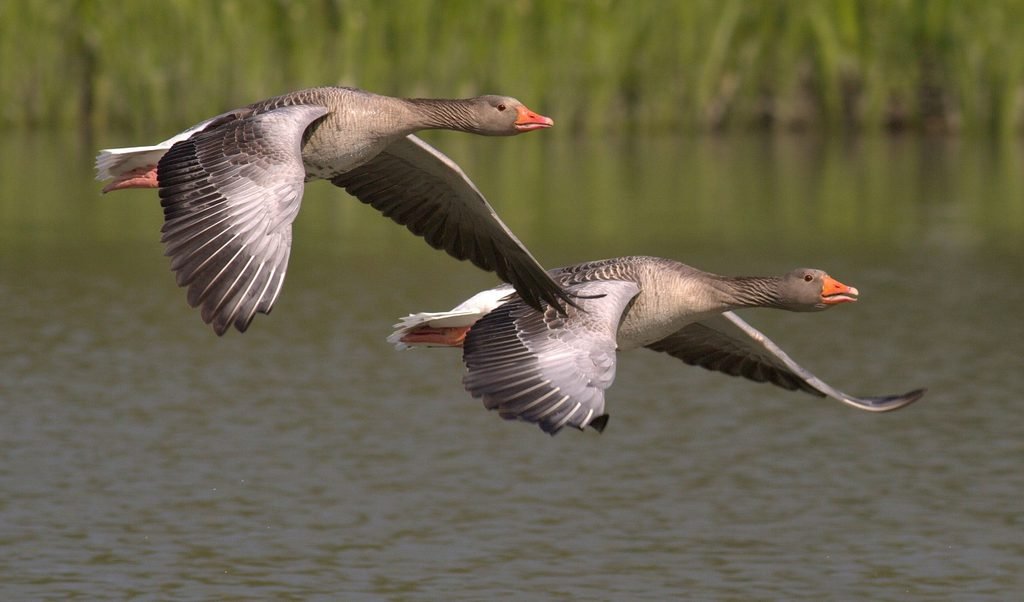
If you already work with birds, avian influenza isn’t news.
For keepers, poultry farm staff and conservationists, changing guidance and restrictions are part of the job. They can mean anything from footbaths and housing orders to closed aviaries and, at worst, culls or the clearing up of wild birds after mass die-offs. Some of this work is mundane, some is harrowing, and most happens well away from public view.
But with outbreaks now lasting longer, and spreading to mammals such as foxes, otters and seals, public awareness is growing. Whether it’s changes to exhibits at the local zoo, signage in the egg section at the supermarket, or just a heightened concern about diseases that can pass between animals and people, bird flu is becoming harder to miss.
Just last week, updates on new cases around the UK sat alongside stories about Edinburgh Zoo’s popular Wee Waddle being called off again and the royal family’s chickens being kept indoors after an outbreak at a farm near the Sandringham Estate.
For people who work with birds, none of this is especially unusual. What’s new is that more people outside the sector are now paying attention.
So what does it all mean if you work, or are planning to work, with birds?
What is avian influenza?
Avian influenza, or bird flu, is caused by influenza A viruses. Although related to the viruses that cause human flu, they are adapted to birds and do not infect people easily. Wild waterbirds such as ducks, geese and swans are its natural hosts. Many carry it without getting ill and shed it in their droppings, saliva and nasal fluid. When they migrate, the virus travels with them.
Scientists classify strains into two groups based on how much harm they do to chickens in a standard laboratory test. “Pathogenic” simply means disease-causing.
- Low pathogenic strains (LPAI) are the mild form. They circulate in wild birds much of the time and usually cause little or no illness, though some cause mild breathing problems or a drop in egg production.
- Highly pathogenic strains (HPAI) are the serious form. They spread fast and can kill most of a flock within a few days, so a shed can go from a handful of sick birds to a disaster in less than a week.
The line between the two isn’t fixed. Some mild H5 and H7 strains can mutate into the highly pathogenic form once they get into poultry, which is why both are taken seriously.
The strain behind recent outbreaks
Names like H5N1 refer to two proteins, H and N, on the virus’s surface. Since autumn 2021, the dominant strain in the UK has been HPAI H5N1. Earlier strains mostly caused problems in poultry. This one spreads readily among wild birds too, so it can’t simply be kept out with a fence. Mammals catch it too, most likely through contact with infected birds, for example by eating birds that have died from it. A related strain, H5N5, caused the first confirmed case in kept birds this season, on the Isle of Lewis on 2 October.
The government’s Animal and Plant Health Agency (APHA) counts cases by season, running from 1 October to 30 September. It recorded 207 HPAI cases in poultry and other kept birds in 2022 to 2023. That is about four new confirmed cases a week, the most in any recent season. Numbers vary a lot from year to year: 2023 to 2024 saw just six, and last season there were 100. This season had reached 10 by 13 November.
The rules right now
A wave of new measures came in during November 2026. They can change at short notice, so always check the latest guidance.
England. An Avian Influenza Prevention Zone (AIPZ) has covered the whole country since 11 November, with housing measures from 13 November. If you keep 50 or more birds of any type, you must house them. You must also house smaller flocks if you sell or give away their eggs, meat or live birds. Licensed zoos can follow a separate set of rules agreed with their vet, and keepers of ducks, geese and some other species can apply for a welfare exemption.
Scotland. A Scotland-wide AIPZ has applied since 10 November, without a housing order. Keepers must fence free-ranging birds in, fence off ponds and watercourses (with some exceptions, including for zoo birds), and make bird areas unattractive to wild birds.
Wales. An all-Wales AIPZ applies from 12:00 on 16 November, with mandatory biosecurity but no housing order.
Northern Ireland. Check DAERA for current rules.
What the rules mean in practice
The details differ between nations, but the steps are broadly the same. The Welsh Government’s statement sets them out clearly. For people working with birds, they mean:
- Keeping wild birds away. Net ponds, clear away food that attracts wild birds, and feed and water under cover.
- Fewer people in and out. Only staff who need to be there, so volunteers, contractors and visitors may be kept out.
- Cleaning and disinfecting. Foot dips at enclosure entrances, disinfected footwear and concrete, and wet or boggy ground fenced off.
- Separating species. Ducks and geese kept apart from other poultry.
- Records. Keeping records, with extra steps for larger sites.
None of this is complicated, but it adds time to almost every task, and it only works if everyone does it every time.
If you work in a zoo or bird collection
For keepers, winter usually means footbaths at the entrances to bird enclosures, increased use of PPE and restricted access to the birds. Walk-through aviaries close, bird displays stop, and some birds come off show, which changes daily routines and what visitors see.
The biggest worry is a positive test. In December 2022, Marwell Zoo confirmed bird flu in its Humboldt penguins. Four birds died from the illness, and four more that tested positive had to be euthanised by law. The zoo isolated the rest of the colony indoors and retested them.
Keeping birds inside is not risk-free either. Penguins housed indoors for long periods can develop aspergillosis, a fungal infection, and foot problems. During the Marwell outbreak, the zoo’s vet described the choice as weighing the higher welfare of outdoor living against the disease risk it brings. Zoo vets and animal teams have to weigh up that trade-off whenever the risk of bird flu rises.
In England, licensed zoos can apply to APHA to vaccinate some birds if they meet the criteria. Across the UK, poultry and most other captive birds cannot be vaccinated. That’s because vaccinated birds can still catch and spread the virus without showing signs, which could hide outbreaks and put poultry exports at risk. The UK began a vaccine trial in turkeys in March 2026, so this may change.
If you work on a farm
In England, flocks of 50 or more must now be kept indoors. Around three-quarters of UK eggs are free range. Since a change in the law in January 2025, eggs from free-range hens kept indoors can still be labelled free range in England and Scotland for as long as a housing order lasts.
As of 13 November, each of the six cases confirmed in England this month was at a commercial poultry farm, resulting in culls of all birds, a 3km protection zone and a 10km surveillance zone declared around the farm. Neighbouring farms inside those zones then need licences to move birds, eggs and other products.
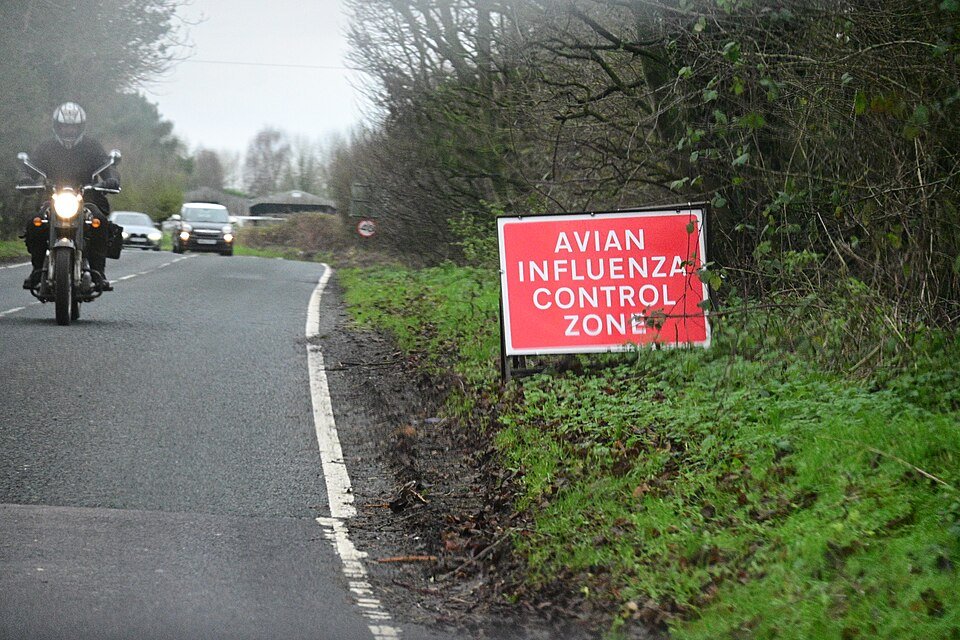
The UK Chief Veterinary Officer has called a confirmed case devastating for the keeper. Staff lose the birds they have cared for, then have to clean and disinfect the site before it can restock.
City farms, smallholdings and care farms with mixed poultry flocks must follow the same biosecurity rules. Once a flock reaches 50 birds, or eggs are sold or given away, those birds must be housed, often forcing a rethink of visitor routes and activities over the winter.
If you work in conservation
For conservation charities, the problem is wild birds, which no housing order can protect. The Wildfowl & Wetlands Trust (WWT) sits on both sides of this. Its wetland centres host huge numbers of wild wintering birds, and several also keep collections of rare waterbirds. WWT describes its reserves as an early warning system, with intensive surveillance that tells government how the disease is moving. Staff also disinfect equipment, limit vehicle movements and ask visitors not to carry bird droppings away on their boots, clothes or kit.
What outbreaks have meant for wetlands and seabirds
The Solway Firth showed what an outbreak in wild birds looks like. In winter 2021 to 2022, more than 10,000 barnacle geese wintering there died, between a quarter and a third of the Svalbard breeding population. Many of them wintered at and around WWT Caerlaverock. WWT staff and partner organisations spent that winter counting fresh carcasses to track how far the outbreak had spread.
Collection birds are at risk too. In October 2022, WWT Martin Mere closed after tests found bird flu in its waterfowl collection. WWT Castle Espie in Northern Ireland closed from October 2022 until January 2023 for the same reason. At WWT Washington, an outbreak in summer 2023 almost wiped out the common tern colony on the reserve.
Seabirds have been hit hardest. An RSPB-led report published in 2024 found declines largely attributed to bird flu of 76% in great skuas, 25% in gannets and 21% in roseate terns. All three had been increasing before the outbreak. Recovery will be slow. Losing adult breeding birds hits colonies hard, and a study reported by the RSPB forecasts that affected gannet colonies are unlikely to recover to the size they would otherwise have reached until 2041.
For rangers, wardens and wildlife hospital staff, this is hard work. Some have watched colonies they protected for years shrink in a single season.
The risk to you
UK health agencies say the risk to the general public is very low. Bird flu is primarily a disease of birds, and properly cooked poultry and eggs are safe to eat.
The risk is higher for people who handle infected birds, but human cases remain rare. In January 2025, the UK Health Security Agency (UKHSA) confirmed a case in a farm worker in the West Midlands who had close and prolonged contact with a large number of infected birds. Routine testing of exposed workers has also found the virus in a small number of people who had no symptoms. There has been no evidence of the virus passing from person to person in the UK.
When APHA confirms bird flu at a site, UKHSA contacts everyone who was exposed to the infected birds. Follow-up can include daily symptom checks, antiviral medicine and swab tests for 10 days after exposure, even for staff who had no symptoms and wore full protective equipment.
What you can do
Most of the defence against bird flu is unglamorous routine.
- Follow your site’s biosecurity, every time. Use the footbaths, wear the right PPE, and keep to the routes you’re given. One shortcut can undo everyone else’s care.
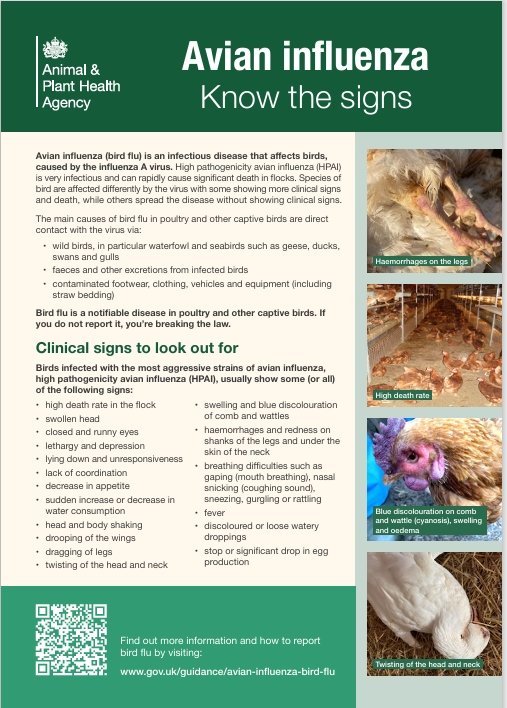
- Watch for signs and report them straight away. In kept birds, signs include a high death rate, a swollen head, breathing problems and a drop in egg production. Ducks, geese and swans can carry the virus without showing signs. By law, suspected bird flu in kept birds must be reported to APHA immediately.
- Don’t touch sick or dead wild birds. Report them on GOV.UK if you find a single dead swan, goose, duck, gull or bird of prey, or five or more dead birds of any other species in one place.
- Look after yourself. If you have been exposed to infected birds, follow the health advice you are given and report any flu-like symptoms. Public Health Scotland publishes a flu vaccine leaflet for poultry workers. Elsewhere, ask your GP or occupational health whether seasonal flu vaccination is recommended for your role.
Worst-case scenarios
The worst outcomes are already clear from recent seasons. They just haven’t all happened at once.
For a bird collection, it is a positive test among rare or endangered birds. When tests confirm bird flu in kept birds, government disease controls normally require a cull of the affected birds, as Marwell found with its penguins. If the collection is part of a breeding programme, one outbreak could undo years of conservation work.
For wild populations, it is a repeat of 2022 among species that haven’t recovered. The UK holds globally important numbers of great skuas and gannets, so losses here matter worldwide.
For workplaces, it is closures, cancelled events and lost income, on top of the extra staff time biosecurity takes. Many zoos, wetland centres and city farms rely on winter events and the Christmas holidays to bring in visitors at an otherwise quieter time of year.
For public health, the fear is the virus changing so it spreads easily between people. That has not happened, and UKHSA says current strains do not spread easily to people. But it is the outcome health agencies plan for, and in early 2025 UKHSA said it had added an H5 vaccine to its stockpile. Government scientists watch for genetic changes in mammal cases. The changes found in UK seals so far are not considered on their own to raise the risk to people.
Is this the new normal?
Probably, yes. Bird flu used to arrive with migrating birds in autumn and fade by spring. That pattern has changed.
As early as 2022, the European Food Safety Authority said the virus may have become endemic in Europe’s wild birds, with a risk present all year and highest in autumn and winter. WWT now says outbreaks have lasted longer in recent years and the virus may be present almost year-round.
That doesn’t mean every winter will be as bad as 2022. Numbers have risen and fallen since, and will probably keep doing so.
So the honest answer is a pattern of quieter and harder years, not a return to the time before 2021. If you work with birds, expect biosecurity to be a normal part of every winter. Expect some years to bring housing orders, closed aviaries and cancelled events too.
Technology may help. APHA and the Royal Veterinary College are among researchers using machine learning to predict where outbreaks are most likely, which could mean earlier warnings for keepers. But those tools depend on people on the ground spotting and reporting sick birds.
What this means for your career
All of this makes biosecurity a core skill, not a seasonal extra. Being able to explain it, follow it without shortcuts and spot early signs of trouble will count in interviews for any role involving birds, from keeper to ranger.
If you want to work in this area, take a look at our zoo keeper career guide and conservation career guide, or try our Career Finder to see which roles fit you. We’ve also written about the real risks of working with animals and the emotional weight of losing animals in your care, both of which apply here.
Further reading
- Bird flu: latest situation in England (Defra and APHA). Current cases, zones and rules, updated as things change.
- Avian influenza: how to spot and report the disease (Scottish Government). The equivalent guidance for Scotland.
- Avian influenza (WWT). How the virus affects wetland birds and what WWT does at its centres.
- Devastating seabird decline (RSPB). The survey results on bird flu’s impact on UK seabirds.
If you found this useful, you can support Jobs With Animals and help keep the site running.