

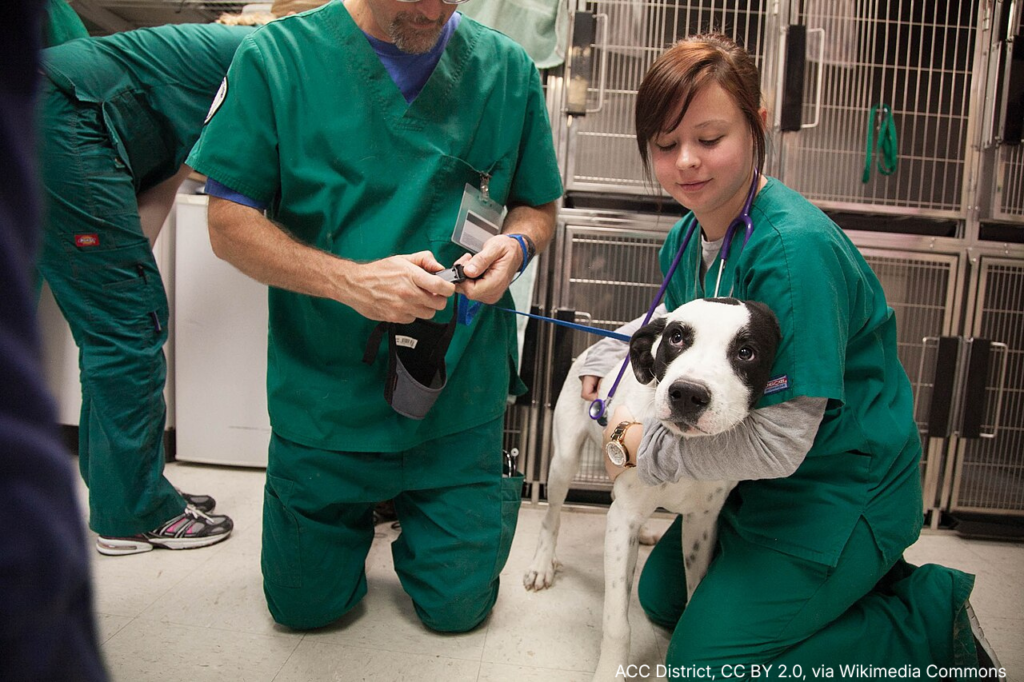
A 2025 UK study of nearly 650 veterinary practice staff found that over three-quarters had been injured at work during their careers. Around 60% of nurses and 58% of vets reported being injured in the past year alone, with up to a fifth requiring hospital treatment.
While risks in veterinary settings are well documented, they are just as significant across the wider animal care sector.
The physical realities of working with animals rarely feature in career guides or job adverts. If you’re considering this path, it’s important to understand what the work actually involves.
If you’re already in the sector, little of this will be news to you, but it’s worth seeing it laid out and backed by evidence, if only to know you’re not imagining the toll it takes.
This isn’t about putting anyone off. Most people choose animal careers out of passion, not risk assessment. But understanding the risks means you can prepare properly, ask the right questions, and work more safely.
The risks of working with animals, by role
Bites and attacks
In veterinary and animal care roles, being bitten, scratched, or struck by an animal is one of the most common causes of workplace injury. Job role is not always an indicator of risk, but generally, the more direct contact you have with animals, the higher the likelihood of you getting injured.
This applies across the sector, though the specifics vary by role.
Dog trainers may work with reactive or fearful animals, and rescue and kennel staff often handle unfamiliar animals under stress. This mirrors a wider trend in the general population. NHS-recorded hospital admissions for dog bites in England more than doubled between 1998 and 2018, driven almost entirely by a rise in adult cases rather than children.
Zookeepers work with species capable of causing serious harm quickly. A 2026 global analysis of over 1,000 zoo and aquarium accidents found that staff were involved in the majority of incidents, with large carnivores and elephants often associated with the most serious cases.
Large animal handling
Cattle-related deaths appear in HSE fatality reports most years, including three cases recorded in the 2025/26 figures. Horses present similar dangers: kicks, falls, and trampling are well-recognised hazards in equestrian work, though UK-specific occupational data for the sector is limited.
Agriculture remains the UK’s most dangerous industry, with a fatal injury rate around 22 times the all-industry average. Older workers are disproportionately affected, highlighting that experience alone does not remove risk.
Musculoskeletal injury
Less dramatic than bites or kicks, but just as significant over time.
Lifting animals, repetitive restraint, and working in awkward positions all contribute to strain and injury. These injuries often develop gradually rather than from a single incident, which makes them easy to underestimate.
This is especially relevant in roles involving frequent handling, including:
- Kennel and cattery work
- Dog training and behaviour roles
- Farm and large animal care
- Assistance dog training, where repeated harness work and pulling can strain the arm and shoulder
Noise and hearing damage
Another risk that builds quietly over time. Kennel and dog rescue environments can be genuinely loud.
US studies found that noise levels often exceed 85 decibels, the level at which UK law requires employers to provide hearing protection. Prolonged exposure to barking in enclosed spaces can permanently damage hearing over time, so ear protection and noise-reducing measures are crucial in any role involving regular work in kennel blocks.
Needlestick and chemical exposure
Needlestick injuries accounted for nearly 16% of all injuries in the 2025 veterinary staff study. Alongside this is regular exposure to anaesthetic gases, medications, and cleaning chemicals.
This is most relevant in clinical and veterinary nursing roles, but similar risks exist in rescue and shelter environments where medication is administered and strong disinfectants are used.
Zoonotic disease
Around 40 zoonotic diseases are present in the UK, with approximately 300,000 people occupationally exposed.
Two of the most common, Orf and ringworm, account for thousands of cases annually. Among UK vets, 44% report contracting a zoonotic disease at some point in their career.
However, the risk extends beyond veterinary work to anyone in regular contact with animals, including rescue staff, farm workers, and zookeepers.
Risk from the public
Not all risks come from animals.
Roles involving direct interaction with the public, such as RSPCA inspectors, dog wardens, and veterinary staff dealing with distressed owners, can involve confrontation or aggression.
Across all industries, around 10% of workplace injuries result from violence. In animal welfare roles, this risk is often tied to emotionally charged situations involving distressed or defensive owners.
Most of these risks can be reduced with the right training, equipment, and workplace culture, but standards vary significantly between employers.
Questions worth asking (candidates)
If you’re applying for a role working directly with animals, these are important questions to consider:
- What training is provided, and is it completed before working unsupervised?
- Is PPE provided, and is it consistently used in practice?
- Is hearing protection provided in loud environments, such as kennel blocks?
- Are there role-specific risk assessments for the animals or environment?
- What is the process for reporting and responding to injuries?
- Is manual handling training included and regularly refreshed?
- What zoonotic disease precautions are in place?
- Is there a lone-working policy where relevant?
- What support is provided for dealing with difficult or confrontational members of the public?
Questions worth asking (employers)
If you’re hiring, candidates are increasingly aware of these issues. Be ready to answer:
- Is your induction meaningful, or a formality?
- Are risk assessments specific to your setting, or generic templates?
- Are noise levels in kennel areas monitored, and is hearing protection provided where needed?
- Do staff feel able to report near-misses as well as injuries?
- Is training regularly updated, not just delivered once?
- Do public-facing staff receive de-escalation training?
Emergency procedures to understand
Beyond day-to-day risks, it’s important to know how serious incidents are handled:
- Animal escapes: Is there a clear, practised protocol?
- Animal fights: Are staff trained and equipped to intervene safely?
- Disease outbreaks: Are isolation and biosecurity procedures in place?
- Serious injury: Is there a clear process for getting medical help quickly, especially in rural settings?
- Clear, specific answers are a good sign. Vague reassurance should prompt further questions.
Risk varies by sector
Not all animal roles carry the same risks.
Farming, zoo work, veterinary care, equestrian roles, rescue environments, and enforcement positions all involve different hazards. A dog groomer and an RSPCA inspector may both work with animals, but their day-to-day risks are very different.
Understanding those differences is key to choosing the right path.
Asking is a sign of professionalism
You may feel it’s not appropriate to ask multiple safety questions at an interview, and that’s understandable. You don’t need to work through the whole list in one sitting. Picking one or two that matter most to you, or saving some for after an offer is made, is often the more natural approach.
A good employer will expect these questions, and answer them clearly. How they respond will tell you a great deal about how seriously they take staff safety.
Browse current animal care roles or explore our career guides to find the right fit.
Further reading: ‘Just part of the job’ – understanding work‐related injuries and safety culture in companion animal veterinary practices