

This week’s blog focuses on driving. It’s an easy skill to overlook in animal careers advice, but it can be one of the biggest obstacles facing a young person starting out.
Whether you want to work in a zoo, on a farm or in a rescue centre, train assistance dogs or become an equine vet, there are some jobs that simply won’t be open to you without a licence.
But learning to drive is slow and expensive. So can you work with animals without a driving licence?
Learning to drive takes time and money
There is currently no minimum number of lessons required to take a driving test in the UK, though this may soon change. The RAC estimates that the average learner needs around 45 hours of professional tuition, ranging in price from £35 to £50 an hour. This equates to between £1,575 and £2,250, depending on your location. That’s without the cost of a provisional licence (£34), a theory test (£23), a practical test (£62 to £75), and of course the small matter of buying and insuring a car.
It is perhaps for this reason that learning to drive is not an option for many young people. In England in 2025, only around one in three 17 to 20 year olds held a full car licence. Among 24 year olds in Great Britain, for every ten who hold a full licence, almost six have only a provisional one, according to DVLA data for August 2026.
Then there is the wait for a test. In September 2026, the average wait for a practical test was 19.7 weeks, the first time it had dropped below 20 weeks since November 2024.
The government’s interim review of young people and work counted 957,000 young people aged 16 to 24 who were not in education, employment or training (NEET) at the end of 2025. More than 60% of them had never had a job. An entry level role is often the first step, but without a licence some of those roles are out of reach.
How many animal jobs need a driving licence?
Of over 700 roles listed on Jobs With Animals since June, about 31% named a driving licence in the advert.
By comparison, an RAC Foundation analysis found the average across all sectors to be around 17.4%. The two measures are not identical, but based on our own listings, the requirement for a licence in animal roles is closer to the care sector (34%) than to the wider UK jobs market.
However, even this doesn’t tell the whole story. Looking at just the 324 entry level roles, we judged that around 7 in 10 realistically needed the applicant to have a licence or private transport in order to take on the role. In some cases, this is because there is no public transport to the site or shift patterns fall outside of timetabled services. Others clearly describe travel between multiple locations, sometimes with tools or equipment, which is not something you can really do on a bus.
And this is often the reality of working with animals. Caring for them requires space, and that means a location that is usually away from residential areas and the transport links they provide. For a lucky few, there may be a zoo or rescue centre within walking distance of their home, but for many it involves driving. This means most non-drivers have to consider their career path more carefully.
Things to consider by area of work
Welfare and rescue
Just over half of the entry level opportunities that we’ve listed in welfare and rescue since June required a driving licence. Roles and responsibilities vary with the size of the organisation, but broadly these jobs are divided into those that are on-site and those that are field based.
For animal care assistants, who mainly work on site, a driving licence is not generally an essential requirement, but the location of the site matters. Many rescues, particularly those with dogs, are away from residential areas, sometimes in rural locations. Battersea Dogs & Cats Home has three centres and represents a good example of the variation you may find between organisations. Its London site is a significant employer of animal care staff and is well served by trains and buses from Central and South London. Its other two sites, at Old Windsor and Brands Hatch, are in rural locations, and it would be almost impossible to reach them without private transport of some sort.
Welfare inspectors and animal rescue officers are largely independent, field-based roles, with a lot of travel across a wide area, responding to reports of animal cruelty or neglect. The RSPCA is probably the largest employer of inspectors, and requires them to have a full, current UK car driving licence (usually manual). Elsewhere, local authority animal wardens and licensing inspectors also have roaming roles that oversee and safeguard animal welfare. Both usually require a driving licence.
Zoos and wildlife parks
Fewer than a third of the entry level zookeeper roles we’ve listed required a driving licence but, as with rescue centres, the location of the zoo may be a significant factor. Most zoos and wildlife parks are in rural locations, with sites covering many acres. There are, however, well-known exceptions, including London and Edinburgh, which are easily reachable by public transport (though both also have sister zoos in rural locations, at Whipsnade and the Highland Wildlife Park).
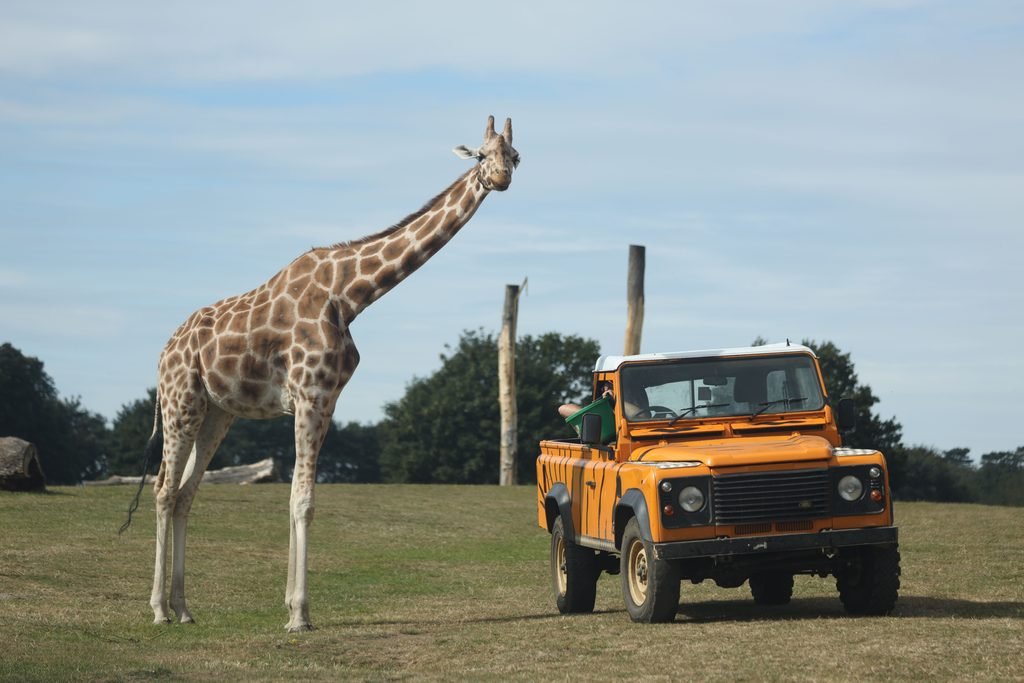
Whether a driving licence is needed for a day-to-day keeper role often depends on the species you work with and the size of the site. If you aspire to work with large mammals or carnivores, a vehicle is often needed to transport feed and bedding, safely access enclosures, or drive animal experience guests around. In safari parks, keepers generally use vehicles to patrol and observe enclosures, and respond to emergencies.
Roles with other species at smaller sites may not require a licence, though anyone without one may miss out on occasional opportunities to transport animals to or from other collections. Zookeeper road trips are great fun. Within any team of keepers, a proportion need to drive, so although a licence is not always an essential requirement, recruiting managers may favour those who have one.
Equestrian
None of the groom and yard staff apprenticeship roles we have listed named a licence as a requirement. That is good news for anyone starting out, but in reality, most yards and stables are in the countryside, and the working day often starts early.
Some riding establishments offer live-in roles, which may be a good option for non-drivers. Living on site removes the commute, but you will still want a way to get off site in your down time, or it can feel isolating.
Based on our findings, the majority of roles in horse rescue, rehabilitation, and rehoming require a licence. Some ask specifically for a manual licence, and experience with a trailer or horsebox can also be beneficial.
Veterinary
Veterinary work is generally the best place to start without a driving licence. Only one of the 43 entry level veterinary roles we reviewed required one, and many practices are in towns and cities. The obvious exceptions are practices specialising in equine care or farm animals, which tend to be in more rural locations.
Practices often employ entry level animal care assistants, and some offer apprenticeship-style vet nurse roles. Non-drivers should always check routes and shift patterns against local services.
Working animals and training
Almost every entry level role we’ve listed with assistance dog organisations required a licence. Guide Dogs regularly offers entry level Academy roles for mobility specialists and trainers, which ask for a UK or EU licence that includes manual cars. Canine Partners and Autism Dogs trainer listings also asked for one.
Of the site-based roles, Guide Dogs also recruits dog wellbeing technicians at most of its sites across the UK, but specify that the role involves transporting dogs regularly. Non-drivers are expected to demonstrate how they would meet the travel requirements. That’s not an outright no, so it is worth considering if you don’t currently drive.
Wildlife and conservation
This is where an advert that does not mention a licence is least reliable. Less than a third of the roles we’ve listed specify one, but rangers, wardens and reserves officers often work across several sites, sometimes alone and with tools and equipment. Reserves are rarely on a bus route, and a car can also be a working base, for carrying kit and as shelter when nothing else is available.
Traineeships, internships and apprenticeships are less likely to specify the need for a licence, but they too are often based at rural reserves and estates, so it is worth asking before you apply.
Farming and agriculture
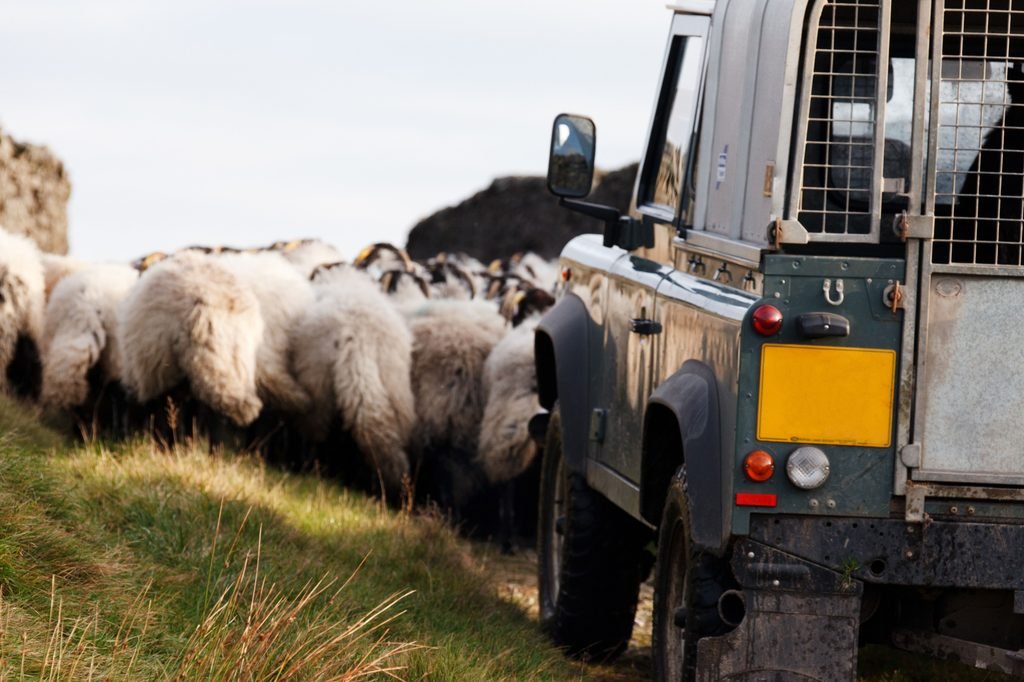
Similar to zoo or equestrian work, farming of livestock often involves the movement of large animals, feed and bedding, so the ability to drive is a definite advantage even if the role doesn’t specify it and the farm is easy to reach. A car licence also covers driving a tractor on the road, so there is no separate test to take. City farms and farm parks do sometimes provide entry level opportunities without the need for a licence and may be worth considering.
Pet care
Similar to vet practices, dog grooming salons are often located in easily accessible places and regularly offer apprenticeship opportunities. Larger doggy day care and dog walking businesses often require employees to drive, collecting and returning dogs to their owners. One employer we listed set a minimum age of 23 because of vehicle insurance, a problem we look at next.
Another option is to set up your own dog walking, pet sitting or grooming business. That lets you build a client base close to home without needing a car, though you will need to check the insurance and licensing requirements.
The over-25 problem
Passing your test does not always get you through the door. In recent months we’ve come across a number of entry level adverts that set a minimum age for driving the company vehicle, because of the cost of insuring younger drivers. Some of these we have not listed. Of those we have, one set a minimum age of 23 and a more senior listing set it at 21. A recent rescue advert went further, asking for applicants over 25 because its insurance did not cover younger drivers for its ambulance.
For a job that involves a lot of driving, this may make financial sense. For a young person who has paid for lessons, waited months for a test and passed, it can still end an application before it starts.
Is it legal? Under the Equality Act 2010, an employer can treat people differently because of age only if it can show the approach is a proportionate way of achieving a legitimate aim. The employer has to be able to justify it, and an arbitrary age limit would not meet that test. Whether an insurance-based limit does will depend on the facts of the role. We can’t say whether any particular advert complies, and this is not legal advice. If you think a requirement is unfair, ACAS can explain your options.
What if driving is not an option?
Not everyone can drive, and for some that will not change. A disability or health condition can mean a licence is refused or taken away.
A health condition is not always a bar. DVLA assesses each person’s condition and can decide that someone may drive with a shorter licence, with adaptations to the car, or not at all. Anyone who needs adaptations can have an independent assessment of what they need.
Disabled people on the Motability Scheme may be able to apply for a Motability Foundation grant towards driving lessons, including lessons to get used to adapted controls. Eligibility is limited, so check the criteria first.
For those who cannot drive, a licence listed as essential closes the door on a job they may be perfectly able to do. Disabled young people already face a wider gap. Alan Milburn’s interim review of young people and work found that 29.6% of them are not in education, employment or training, compared with 8.7% of their non-disabled peers.
If an advert asks for a licence
A licence requirement that applies to everyone but puts disabled people at a disadvantage can be unlawful under the Equality Act 2010, unless the employer can show it is a proportionate way of achieving a legitimate aim. An employer also has a duty to make reasonable adjustments. We can’t say whether any particular advert complies, and this is not legal advice.
If you see an advert that asks for a licence and you cannot drive, ask the employer the question the advert does not answer: is the licence essential, or is the real need to get to different places? It may be that a colleague could drive for the journeys that need it, or that a taxi would do. Employers can help by saying in the advert whether a licence is essential or whether another way of travelling would do.
Help with getting to work
Getting to work is a separate problem, and there is help. Access to Work, a government scheme, can pay towards extra travel costs to and from work if you cannot use available public transport because of a disability or health condition. You can apply if you are in paid work, about to start, or have a job interview. It only covers the extra costs caused by your disability and does not cover travel if you can use public transport.
Tips for non-drivers
There is no easy way round this obstacle. Building a career with animals is easier with a licence. At the same time, it is not impossible without one. You just have to be willing to be more creative in how you meet the requirements of the role, and accept that sometimes the train will be delayed. To give yourself the best chance:
- Look at where licences are least often asked for. In our entry level listings, roles in veterinary practices were by far the least likely to mention one. Remember that a role with no licence in the advert can still be hard to reach without a car.
- Read the wording. “Essential” and “desirable” mean different things. If an advert is unclear, a short email asking whether a licence is essential, or whether you could travel to work another way, costs you nothing.
- Check the location before you apply. Some adverts give a rural location or the lack of public transport as the reason they want a licence. But drivers who never use buses and trains are not always the best judges of whether a job can be reached that way. Check the journey yourself, using a tool such as Rome2rio to see the public transport options between two places, and compare the first and last services with the shift times.
- Ask about help with lessons. If you are claiming a benefit such as Universal Credit, ask your Jobcentre work coach whether they can help with the cost of driving lessons. It is discretionary, so there is no guarantee, but work coaches can use the Flexible Support Fund towards the costs of getting into work.
- If you are learning, book your own test. Since 12 May 2026 only the learner can book or change their own driving test. The current waiting time for a test is nearly 20 weeks, so talk to your instructor early about when to book.
- Keep the long view. A licence opens up more roles, but it is not the entry ticket to the whole sector. Many entry level adverts did not require one, though some are still hard to reach without a car. Focus on what you can do and make a plan for what you can’t. You don’t have to achieve everything at once.
Where to look next
You can search current vacancies on our Jobs page and enter your postcode to see the nearest roles first. Our career guides cover the main routes into the sector. To book a test, use the official DVSA service on GOV.UK. For advice on age requirements at work, contact ACAS. For help with travel to work if you are disabled, see Access to Work on GOV.UK.