

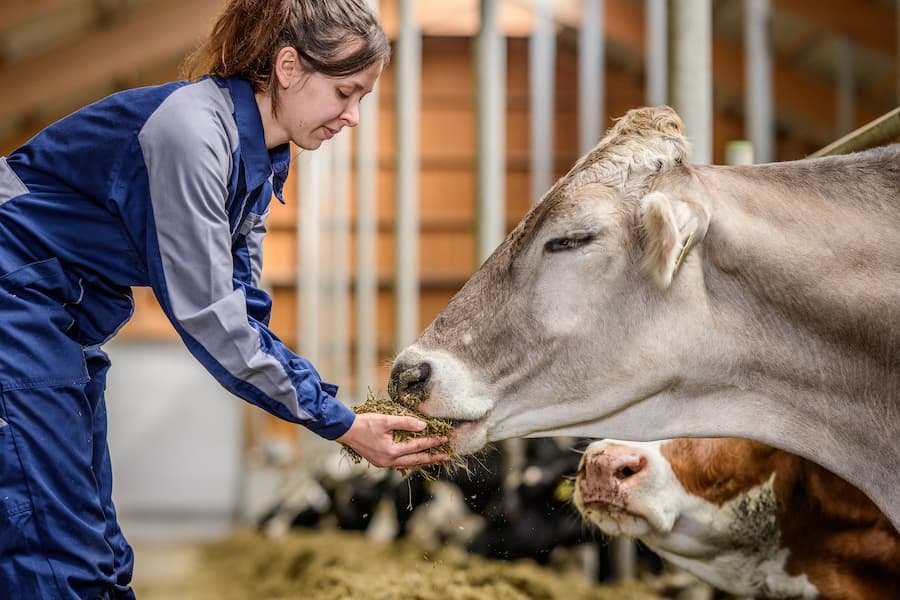
With the academic year now well underway, the annual scramble for work experience with animals has begun. Whether you’re thinking ahead to a short-term Year 10 placement next summer, or need to secure a minimum number of practical hours as part of a college course in animal care or management, competition for places can be tough.
We’ve had numerous messages from parents and students alike asking for advice on this topic, but the guidance below isn’t just aimed at people in full-time education. For anyone considering a career change, or returning to work after an extended break, a short-term placement may be a good way to determine whether a career with animals is right for you.
We’ll be featuring more posts on other routes into the industry over the coming weeks, but for now here are 5 handy tips on securing a work experience placement in the animal sector.
1. Be proactive, ask early, and make it easy for the employer to say yes
It’ll be no surprise that high-profile organisations are often inundated with enquiries for work placements.
The British & Irish Association of Zoos & Aquariums (BIAZA) lists its member zoos and aquariums, with details of their work experience policies. Many aren’t currently taking placements, and others are booked up months ahead. If you have your heart set on a zoo placement, it pays to start early.
Some organisations have fixed application windows. For example, applications for 2027 keeper work experience at Marwell Zoo, which is for students aged 18 and over, open no earlier than 1 November 2026 and close on 31 December. Spend some time checking each organisation’s policy first, and register your interest as early as possible, even if your placement is months away.
If there aren’t any opportunities at your local zoo, then consider farm parks too. The National Farm Attractions Network has a searchable database of its members who may offer placements. In terms of the work you’ll actually get to do, it’ll often be very similar to the experience you’d get at a zoo.
When applying, make your request as concise as possible. Say who you are, what you’re studying or doing now, when you’re free, and what you’d like to learn. The Royal College of Veterinary Surgeons offers useful advice for those wishing to gain experience before applying to veterinary school, some of which is equally relevant to other parts of the sector.
2. Start with the people already supporting you
If you’re still at school, the chances are that placements are arranged with the support of a work experience coordinator, who may already have existing contacts with local employers in the industry.
Express your interest in gaining work experience with animals early on. The onus will usually be on you to apply for placements, but demonstrating a genuine interest and passion will often put you on the radar for any opportunities that may be offered to the school. Talk to your form tutor or science teacher, who may also be able to offer advice or suggest places to contact.
Colleges and universities will have a dedicated careers guidance service that may have established links with animal-focused organisations. Obviously, demand will be higher if you’re on a specialist animal course, so don’t wait until the last minute. In fact, if you’re thinking about starting an animal-focused course that requires practical experience next year, it won’t hurt to start researching and networking now.
Not in education? If you have a Jobcentre Work Coach, it’s worth discussing your employment goals and skills with them. DWP guidance recognises work experience as a way to build work habits, employability skills and confidence, and to move towards employment, an apprenticeship or training. If you claim Universal Credit, New Style JSA or New Style ESA and you’re 16 or over, ask whether a jobcentre-arranged placement is available.
3. Look for organisations that exist to train and teach
Where some organisations exist purely for the welfare of animals in their care, others work with students because it actually aligns with their charitable objectives.
City farms are the clearest example of this. Their main purpose is to teach and train people about farming, horticulture and animal care. As such, they’re sometimes better set up to support work placements than, for example, a rescue centre, who may not have the necessary resource to support a student.
Social Farms and Gardens, which supports city farms and community gardens across the UK, is a good place to find out more. They have a searchable map, through which you can find details of your local city farm, some of which run work experience schemes. Not every member appears on the map, so it’s worth checking locally too.
Nationally, there are also 46 Wildlife Trusts, many of which offer work placements. In some cases, these placements will be more focused on land and habitat conservation than hands-on animal handling, but they provide useful experience for anyone looking to build a career in the sector, particularly in conservation or zoos. The Wildlife Trusts website has links and details of all the individual trusts throughout the UK.
As an example of a current opportunity, Cornwall Wildlife Trust is currently accepting applications for six Year 10 places in July 2027. The closing date is 30 November.
4. Use your council’s register of licensed animal businesses
A useful hack for those who are willing to take the initiative and actively seek out opportunities. In England, councils license businesses that carry out specific animal-related activities, including animal boarding, doggy day care, and horse riding establishments. Many councils publish a register of who holds a licence, and this can be a quick route to identifying local businesses who may be open to considering work placements.
To find yours, search for your council’s name plus “animal licensing” and look for a public register or list of licence holders. In areas with two tiers of council, it’s usually the district council, not the county council. If you can’t find one, email the licensing team and ask which businesses are licensed locally. Wales, Scotland and Northern Ireland have their own arrangements, but the same search should work there too.
For England, there’s also a shortcut. Animal Licence Ratings, published by Animal Insight Ltd, collects council licence data and star ratings from around 90% of English councils, and shows when each council’s data was last refreshed. It’s independent of the councils, so check the date for yours and confirm any details with the business or the council.
Some registers may only show business names, so you may need to do a bit of detective work, but it’ll sometimes uncover local businesses that you might not have thought to contact. Of course, a licence doesn’t mean a business offers work experience with animals, but it does mean the business is real, regulated and local, which makes it a far better target list than guessing.
5. Follow local employers on Facebook
In our experience, many farm parks, kennels and small rescues don’t list information on jobs or work experience on their website, and instead use social media (specifically Facebook) for news and updates on opportunities. Follow the ones near you, watch for any mention of volunteers or students, and then message the page directly. A short, polite message is quick to send and easy to answer. Positive online engagement with a local rescue can also be a good way of building a network of contacts.
Once you’ve got a placement
Every placement will be different, but expect cleaning, feeding and laundry to make up most of it. Employers remember the people who do it cheerfully. Keep a diary of dates, animals, tasks and what you learned. The RCVS recommends it for vet school applicants, and it’s just as useful for any CV or interview.
At the same time, don’t panic if your placement doesn’t end up being as hands-on with animals as you had hoped. Animal careers rely on a wide range of skills, from customer service and administration to fundraising, marketing and operations, and every one of them keeps an animal organisation running. Some placements are built around this.
For example, Chester Zoo’s Year 10 placements for local schools have been in its commercial teams rather than with the animals. A placement that shows you the whole picture can be just as valuable, and may introduce you to a role you hadn’t considered. Our career guides cover many of them.
Where to go next
Not sure which area suits you? Our Career Finder quiz matches your interests to over 50 roles, and our career guides explain what each one involves and how people get in.
Your school careers adviser or work experience co-ordinator is the best first call if you’re a student. For volunteering, contact the charity’s volunteering team directly. For under-16s, speak to your school and a parent or carer before you approach anyone.