

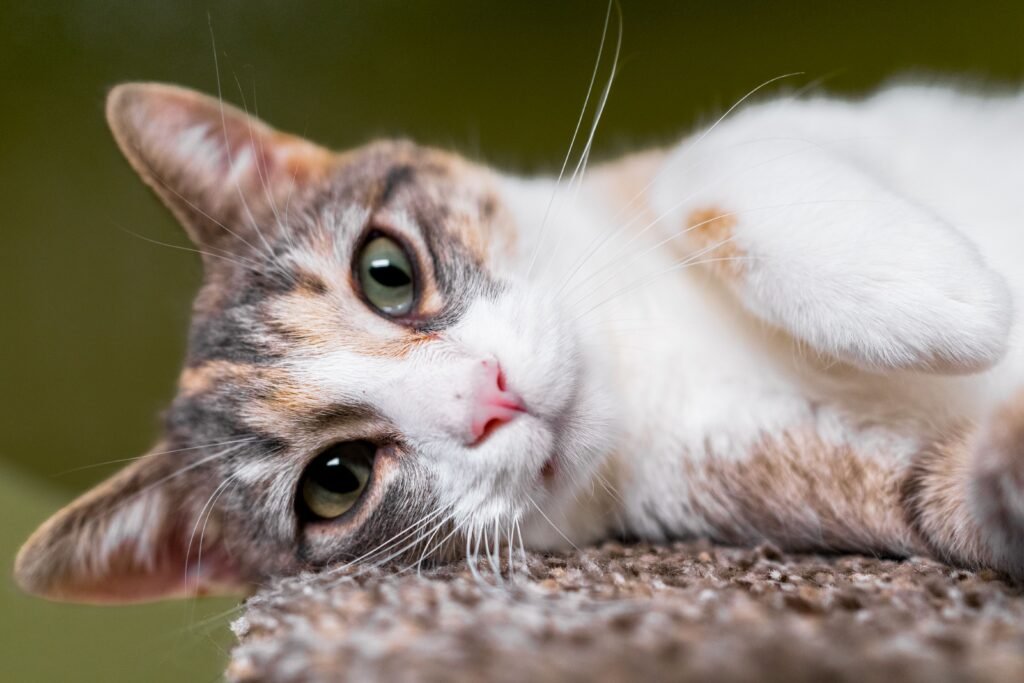
With so many international days now crowding the calendar, it’s easy to lose sight of what they’re actually for.
International Cat Day, which took place last week, is a good example. Founded in 2002 by the International Fund for Animal Welfare and run by International Cat Care since 2020, its aim is to not only celebrate cats, but to raise awareness of their health, welfare and protection.
There’s an irony then, that while most social media platforms were awash with cute photos and viral videos in celebration of cats, the same forums are also being used to sell cats and kittens with little or no oversight.
According to Cats Protection’s latest CATS Report, the proportion of cats bought (rather than adopted or taken on informally) continues to rise, from 34% in 2024 to 38% in 2025, when only 23% of cats were adopted. Browse Facebook marketplace on any given day and you’ll find dozens of newly listed kittens for sale. At the time of writing, on 10 August 2026, a similar search for “kittens” on Gumtree produces more than 3,000 live ads, most of which lack any information about the breeding conditions or the health checks involved.
All of this points to a cat rescue sector that’s genuinely stretched. For prospective animal-care workers, that means compassion alone isn’t enough. It also takes practical knowledge, resilience, and a realistic understanding of the work. Here’s what’s worth knowing.
Rescue centres are close to full, and have been for years
The Association of Dogs and Cats Homes (ADCH) is the leading representative body for the dog and cat rescue sector across the UK and Ireland. It represents more than 160 member charities and around 45,000 staff and volunteers and has consistently highlighted pressures on the UK’s rescue infrastructure. Based on evidence submitted to a UK Parliamentary committee, in 2020, ADCH member rescue centres reported running at 57% capacity for cats. By 2022, that had risen to 78%. The same pattern held for dogs, up from 60% to 92% capacity over the same period.
Kitten season isn’t really a season any more
Kitten season has traditionally run from spring through to early autumn, when female cats are more likely to come into heat and give birth. Rescue organisations have long planned staffing and resources around this seasonal surge.
In practice, however, the quieter period through autumn and winter has become less reliable in many rescue centres. Kittens are arriving in care across more of the year rather than in one concentrated burst, meaning staffing and resourcing pressures can now extend well beyond the traditional peak.
Feline disease is a genuine, ongoing part of the job
Infectious disease is a routine consideration when working in cat rescue. A peer-reviewed study of two RSPCA rehoming centres found FIV (feline immunodeficiency virus) prevalence of 11.4% at one centre, notably higher than the roughly 2 to 5% prevalence estimated across the general UK cat population by sources including Blue Cross. FeLV (feline leukaemia virus) was also present, at up to 3% in the same study.
This matters practically. People working hands-on in the cat rescue sector may encounter cats with these conditions, particularly in larger centres or organisations working with strays and unowned cats. If you work in these roles, you will need to understand testing protocols, isolation procedures and the realistic prognosis for infected cats. With FIV specifically, that prognosis is often better than people assume, with many FIV-positive cats living long, largely healthy lives with appropriate care.
Feral and unowned cats bring their own demands
Rescue and welfare roles increasingly involve unowned and feral cats, not just companion cats surrendered by their owners. Cats Protection’s own Feral Guide is widely used across the sector for handling and managing these populations safely and humanely. Feral cat work requires different handling skills, different welfare considerations, and often close coordination with local vets for neutering programmes.
This is a specialist area that is likely to remain important as rescue organisations continue responding to unowned and feral cat populations.
The sector is actively trying to professionalise, and that’s opening up new kinds of roles
None of this is being ignored. iCatCare is a few years into its Cat Friendly Homing programme. Its goals include making the rescue sector more professional and sustainable, and delivering veterinary training in areas like shelter medicine and neutering.
That matters for anyone considering a career in cat welfare. Shelter medicine, population management, and rescue operations are increasingly being treated as their own areas of expertise, not simply an extension of general veterinary or animal care work. If you’re early in your career, roles and training that specifically build shelter medicine or welfare-operations skills are worth seeking out.
Breeding practices are adding pressure too, not just ownership trends
A 2024 opinion from the UK Government’s Animal Welfare Committee, sent to Defra, the Scottish Government and Welsh Government, looked in detail at the welfare implications of current cat breeding practices, and some of it is directly relevant here.
Roughly 28% of the UK’s estimated 11 to 12.5 million cats are now pedigree or purebred, a share that’s risen steadily over recent years. Being purebred is linked to a shorter lifespan on average, one study found Sphynx cats had the shortest life expectancy at birth of the breeds studied, at 6.68 years, compared with over 14 years for Burmese and Birman cats. Some breeds carry inherited welfare problems that present serious challenges for responsible breeding. The Animal Welfare Committee notes that Scottish Fold cats inherit the mutation associated with osteochondrodysplasia, a painful skeletal disorder, which is why several major cat registries refuse to register the breed.
The report also notes that some rescue organisations are seeing a real rise in pedigree cats, including Persians, arriving in their care. When pedigree cats enter rescue, the consequences of breeding and ownership trends become part of the workload rescue centres are already managing.
Even microchipping law hasn’t fully closed the gap
Since 10 June 2024, it’s been a legal requirement for all owned cats in England over 20 weeks old to be microchipped, under the Microchipping of Cats and Dogs (England) Regulations 2023. At the time the law was introduced, Defra estimated as many as 2.3 to 2.8 million cats in the UK were still unchipped.
This is genuinely relevant to rescue and rehoming work specifically. A microchip only helps reunite a lost or stray cat with its owner if the chip is registered and the details are current. Incomplete or outdated registration remains a real, practical barrier that rescue and rehoming staff encounter regularly.
What this means if you’re starting out in the cat rescue sector
None of this should put anyone off a career in the cat rescue sector. But it’s worth going in with a clear picture:
- Capacity pressure is real and has been building for several years, not a short-term blip. Expect busy, sometimes emotionally difficult environments, particularly in intake and admissions roles.
- The old idea of a defined “kitten season” with quieter months either side is becoming less reliable.
- Infectious disease, FIV and FeLV are conditions you may encounter, particularly in larger centres or organisations working with stray and unowned cats. Understanding testing, isolation, and realistic outcomes is a genuinely useful, practical skill.
- Feral and unowned cat work is a distinct specialism with its own training needs, and an increasingly important part of some rescue roles.
- Funding is tight across much of the sector. ADCH itself operates without government funding, while many rescue centres rely heavily on donations, fundraising and other voluntary income. Job security and resourcing can therefore vary significantly between organisations.
- Specialist knowledge, particularly around shelter medicine, population management, and behaviour, is increasingly valued. Training in these areas, through organisations like iCatCare, is a genuine way to stand out.
The demand for people who care about cat welfare isn’t going anywhere. If anything, the pressure the sector is under makes good people entering it more valuable, not less.
Browse current Welfare & Rescue roles, or explore our other career guides to find the right fit for you.