

“Until one has loved an animal, a part of one’s soul remains unawakened.” — Anatole France
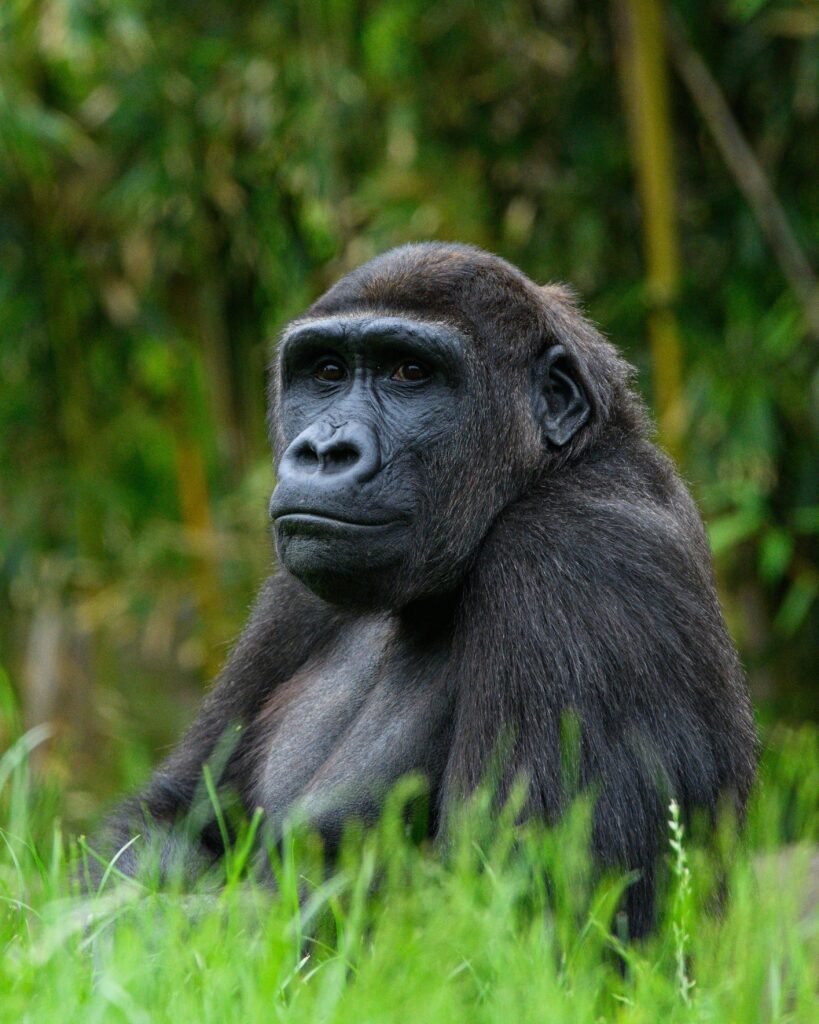
A gorilla in captivity can live into its 40s and, in rare cases, well past 60. For the people who care for them, that means it’s possible to build a relationship with the same animal over an entire career. Feeding them, training them, learning the small signals that tell you how they’re feeling that day, and every day, for years rather than months.
Research backs up what many keepers already know instinctively. A 2021 study at Zoo Atlanta found that gorillas can distinguish the voices of long-term keepers they trust from those of people they don’t know, or don’t like. The bond runs both ways.
So when that animal dies, or is transferred to another collection, the loss is real. It just isn’t always treated that way.
Researchers call this ‘transfer loss’: grief for an animal that has moved on, rather than died. It’s less visible, but no less real.
A loss that often goes unrecognised
The bond between gorillas and their keepers makes for a vivid example, because it is so visible and so long-lived. But the same pattern shows up across the whole sector, and it isn’t only about death.
A guide dog trainer might work with the same dog every day for six months. They build trust, teach skills, and learn its personality, only for that dog to move on. A kennel or cattery worker cares for a long-term resident, one nobody expected to be adopted, until suddenly it is. A vet nurse supports an elderly patient through years of check-ups, right through to the end.
Not all of these losses are sad ones. A guide dog trainer’s dog moving on to change someone’s life is a genuinely happy outcome, and so is an animal being rehomed, or joining a breeding programme, or simply thriving somewhere new. But the goodbye is still real, even when the reason for it is something to celebrate. It’s often both at once, happy tears, pride, and loss sitting side by side.
Every one of these goodbyes follows the same quiet pattern. A bond forms through the ordinary, repeated work of care, and then it ends, through grief, through joy, or often both together. People rarely recognise it either way.
What can actually help
A 2024 study looked at zoo professionals and volunteers. It found that losing an animal, whether through death or transfer to another collection, took a genuine psychological toll. The industry still offers little specialised support for this kind of grief. The researchers noted this pattern echoes existing research on service dog owners, who experience similar grief when their dog retires and is rehomed, a pattern many in the assistance dog world will also recognise.
The study wasn’t only about the problem. It also pointed to what helps. Zoo professionals who coped best described a few consistent things:
- Colleagues who checked in on them after a loss
- Informal rituals to mark an animal’s death
- Sharing out the hardest tasks rather than one person carrying them alone
- Simply having other people in the industry who understood, without needing it explained
The same holds true for transfer loss too. Marking it with some kind of ritual, celebrating the role a carer has played in an animal’s ongoing journey, and making sure they get updates on how that animal is doing in its new home.
None of that requires a big programme. It starts with treating this kind of loss as real, both to yourself and to the people you work alongside.
If this is something you recognise in your own work, whether it’s grief after a specific loss, or the slower build-up of caring for animals day after day, it might also be worth spending a few minutes with our Compassion Fatigue Check-In, a short, private tool to help you notice how you’re actually doing.
Caring about an animal enough to grieve it, or to cry happy tears when it moves on to something wonderful, isn’t a weakness in this line of work. It’s the same thing that makes you good at it.
Further Reading: Experiences of Animal Loss and Grief among Zoo Professionals and Volunteers: A Qualitative Study