

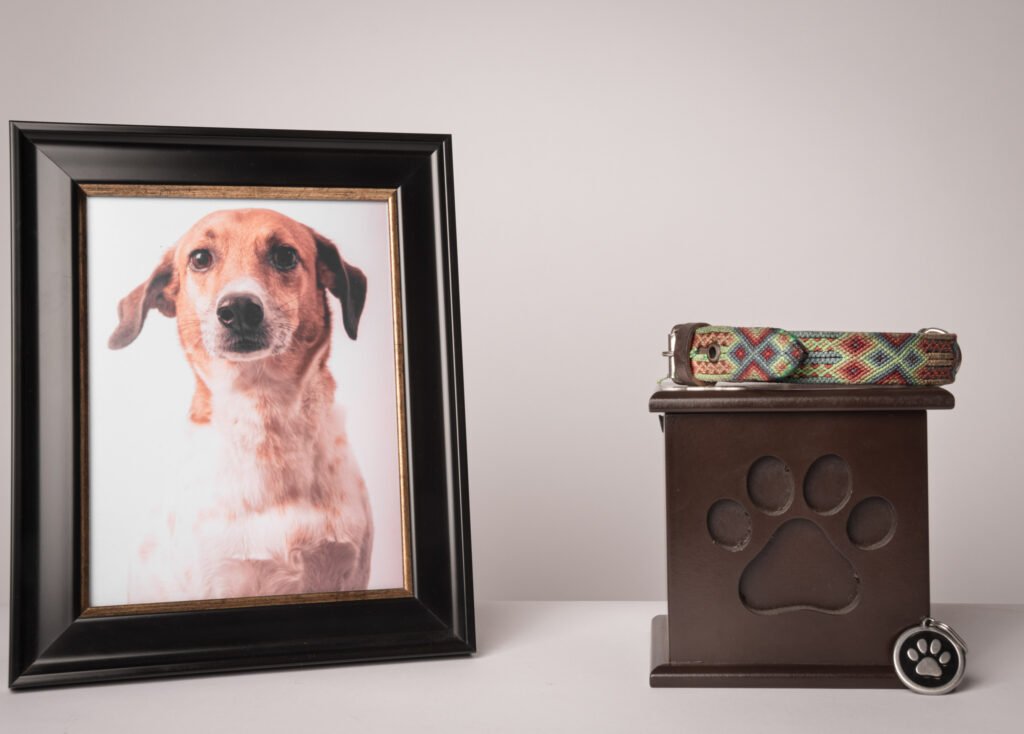
“The good news is we’ve found your cat. The bad news is, it’s dead.”
These were the actual words uttered by an experienced former rescue centre colleague to the owner of a missing pet earlier in my career. Even back then, in an industry where gallows humour is sometimes used as a coping mechanism, it was quickly called out as being an unacceptable way to break the news. It’s an extreme example, but one that’s stuck with me ever since. How we handle the loss of an animal and treat that animal’s owner matters. Years later, there is still a huge amount of room for improvement.
The scale of the problem
According to the RSPCA’s annual pet grief surveys, only 13% of owners felt that their grief over losing a pet was truly understood by others. Over a third had been told “it’s just a pet” following their loss. Worryingly, at a time when public attitudes to mental health have gone backwards for the first time in over a decade, 57% of people felt the need to hide their grief altogether.
A reluctance to talk about death in general means the loss of a pet often goes unmentioned too. But individual moments of openness do occasionally happen. Last month, around 4 million listeners to The Radio 1 Breakfast Show heard its host, Greg James, talk about the recent loss of his dog, Barney. “The price of love is pain, and my pain and my sadness is so much, because I loved him so goddamn much,” he said. The outpouring of support he received was an indicator that many have felt this pain, but his honesty in opening up publicly about the loss of a pet is still unusual.
That’s the backdrop against which the RSPCA is expanding its “Not Just a Pet” bereavement toolkit ahead of National Pet Memorial Day on 13 September. It now includes guidance for parents on supporting a grieving child, including using honest, age-appropriate language rather than euphemisms like “went to sleep,” which can confuse or frighten young children. The day itself is also marked by the RSPCA’s Walk to Remember, where people walk in memory of a pet while raising money for the charity.
If you work with animals, or with the people who love them, it’s worth exploring.
Why this matters for your existing role, not just as a separate career
For many working in the animal welfare sector, supporting a grieving pet owner is an important part of the job, even if you’ve never had any training on how to do it.
Just under a third of UK adults have experienced the death of a beloved pet. One in five of them said it was the most distressing loss they’d ever experienced, more than losing a parent, sibling, or close friend. A further 7.5% met clinical criteria for prolonged grief disorder, a rate comparable to many forms of human bereavement. The NHS’s own guidance on grief recognises this as needing medical attention in its own right.
Vet practices are the most common setting for this, and how a practice handles a pet’s death shapes both client wellbeing and its long-term relationship with that client. But it’s far from limited to vet practices. Kennel and rescue staff regularly support people relinquishing or losing animals, and groomers, trainers, and other animal-facing roles often become the person a grieving owner turns to.
People working with assistance dogs can find this more layered still. For somebody who’s come to rely on a dog’s support, losing it isn’t only the loss of a companion, it’s also a loss of mobility and independence. The grief involved can look much the same whether the loss comes through death, retirement, or removal of the dog for other reasons.
Where to get training, without retraining entirely
You don’t need a counselling qualification to get better at this. A few real options worth knowing about:
- Blue Cross runs CPD courses for pet professionals. These include a short, two-hour course aimed specifically at front-of-house and operational staff who deal with bereaved owners but don’t need in-depth clinical training. They also offer longer accredited courses and bespoke training for teams.
- Compassion Understood provides training programmes specifically for veterinary practices, covering communication skills and bond-centred euthanasia support. It also offers guidance for practice managers on the wider financial and staffing impact of getting this wrong.
- Edyoucate offers a short, two-hour online CPD module on bereavement and end-of-life support, aimed at the wider animal welfare sector, not just clinicians.
None of these require a career change. They’re the kind of practical, focused training that makes an existing operational role easier to do well.
The toll it can take on you too
Supporting grieving pet owners can be genuinely tiring, and it’s worth naming that plainly rather than pretending you can simply shrug it off. Compassion fatigue is real, and it’s one of the reasons staff turnover in animal-facing roles can be higher than it needs to be.
If you want a quick, honest check-in on where you currently stand, we built a short Compassion Fatigue Check-In tool for exactly this. It only takes a few minutes, and it’s worth revisiting periodically, not just when things feel difficult. The NHS’s Every Mind Matters also has practical guidance on supporting your own grief, not just other people’s. Cruse Bereavement Support offers free counselling if things go beyond what a quick check-in can address.
Pet bereavement counselling as a standalone career
For some people, this becomes more than a skill they bring to an existing role, it becomes the job itself. Pet bereavement counselling is currently unregulated in the UK, there’s no formal licensing route or required qualification. The Association of Pet Bereavement Counsellors, launched in March 2024, exists to fill that gap, a self-governing professional body setting standards and a code of conduct for practitioners. Practitioners typically hold a diploma or advanced diploma in pet bereavement counselling, and may work independently or as part of a veterinary practice or animal charity.
Not many people currently work as pet bereavement counsellors. But it’s a genuine, growing niche for people who want to combine animal care experience with a deeper focus on supporting the humans involved.
If you work with animals and their owners
You do not need to be a counsellor to support a grieving pet owner well. A short course, an honest check-in on your own compassion fatigue, and knowing what services exist to signpost people to are part of good professional practice in almost any animal-facing role.
For more information
- Blue Cross Pet Loss Support Service — a free, confidential helpline and email support service staffed by trained volunteers, which also covers guide dog and assistance dog owners.
- Cats Protection’s Paws to Listen — pet bereavement support service.
- RSPCA’s “Not Just a Pet” toolkit.