

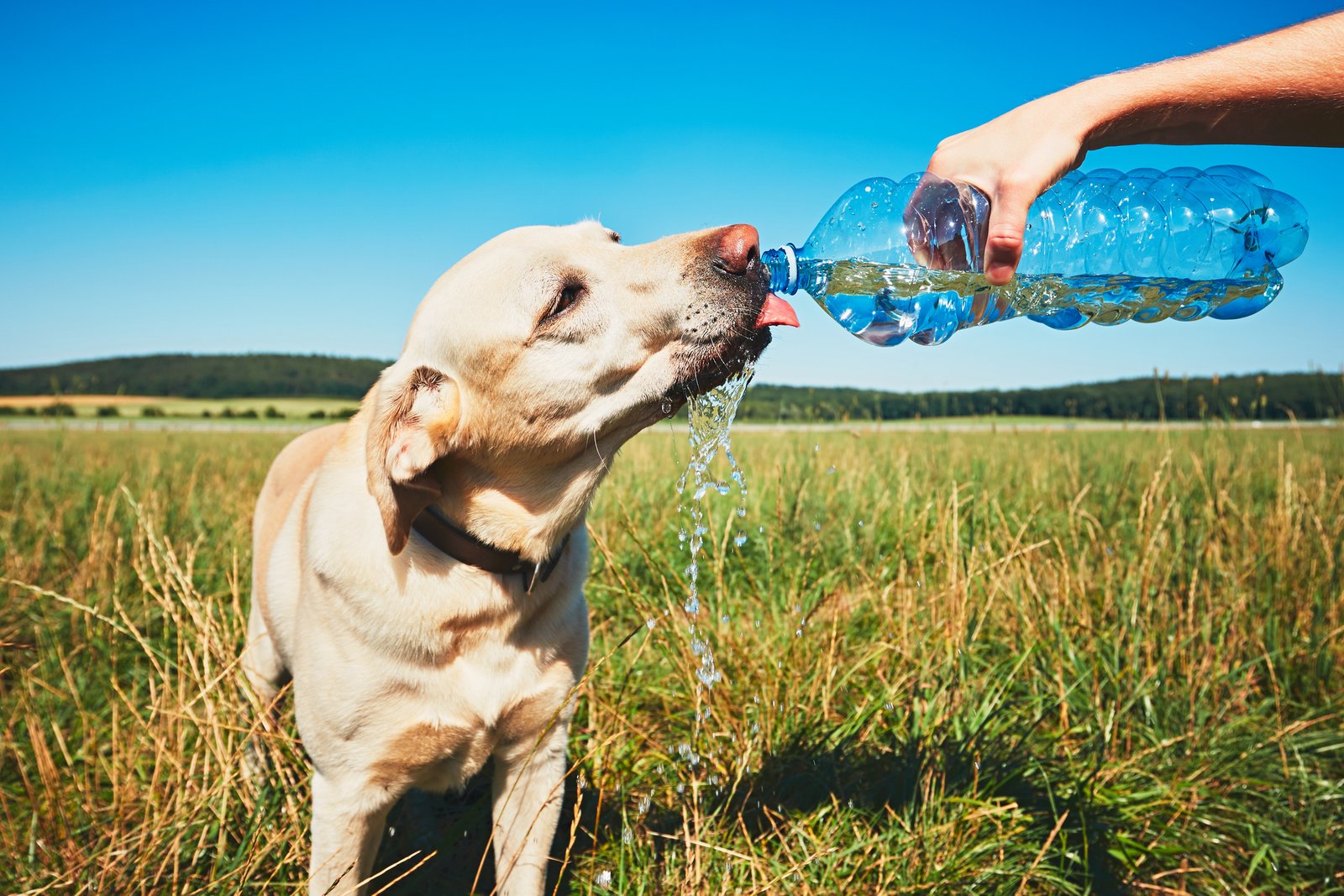
Most people associate dog heatstroke with hot cars. The reality is quite different. Research from the Royal Veterinary College, analysing records from more than 900,000 UK dogs, found that exercise was responsible for 74% of heatstroke cases. Walking, running and playing in warm weather are a far greater risk than being left in a vehicle. For anyone walking dogs or handling animals professionally, that statistic should be front of mind whenever temperatures rise.
The same research found that one in seven dogs affected by heat-related illness died from the condition. These are preventable deaths, and preventing them is part of professional responsibility.
Understanding heat stress in animals
Different species respond to heat in very different ways, so knowing the specific risks for the animals you work with is essential.
Dogs cool themselves primarily through panting and through the pads of their feet. Signs of heat stress include heavy panting, drooling, lethargy, vomiting and, in severe cases, collapse or seizure. Prevention is always better than treatment. During hot weather, walk dogs early in the morning or later in the evening, and check pavement temperature before setting out. A useful rule of thumb is that if it is too hot for your hand, it is likely too hot for their paws.
Horses struggle particularly when heat and humidity combine. Signs of heat stress include excessive sweating, rapid breathing, elevated heart rate and reluctance to move. Make sure they have access to shade and fresh water at all times. Electrolytes may be useful in some situations, but they should be used appropriately and as part of a wider management plan. If a horse does need cooling, do it safely and gradually, using shade, airflow and cool water.
Farm livestock, particularly pigs and poultry, are also highly vulnerable in hot conditions. Pigs cannot sweat and rely on shade, wallowing and cooling systems to regulate temperature. Poultry can deteriorate quickly if ventilation is poor or water access is limited. Good airflow, shade and reliable water supply are critical.
Looking after yourself
It sounds obvious, but heat exhaustion and heatstroke are real risks for outdoor animal workers, and they are often overlooked.
When you are focused on the welfare of animals, your own needs can come second. That is understandable, but it creates a problem: if you become unwell, you cannot care for the animals properly.
Drink water regularly throughout the day rather than waiting until you feel thirsty. Wear lightweight, breathable clothing and use sun protection. Take breaks in the shade when you can. Know the signs of heat exhaustion in yourself: dizziness, nausea, headache, rapid heartbeat and heavy sweating. If you notice them, stop what you are doing, move somewhere cool, drink water and get help if symptoms do not improve quickly.
Planning for hot weather
Good hot weather management is about planning ahead, not reacting in the middle of a heatwave.
Check that water sources are working and sufficient. Review shelter and shade provision for all animals in your care. Adjust working hours where possible to avoid the hottest part of the day. Make sure staff, volunteers and anyone else involved knows the signs of heat stress in both animals and people.
Hot weather is part of the job. Being ready for it is what protects animals, helps staff stay safe, and keeps care standards where they should be
Further reading: Dogs Don’t Die Just in Hot Cars-Exertional Heat-Related Illness (Heatstroke) Is a Greater Threat to UK Dogs